

There are a ton of great stories about the late Dr. Sue Johnson, and at our EFT Externship earlier this month, I heard a new one.
We were in a classroom at OSU's campus in Columbus, and Dr. James Hawkins was teaching a room full of therapists about what happens when the cycle takes over. If you're the therapist and emotion comes alive in the room, "don't get comfortable," he said. "Things can go south fast."
Dr. Sue was particularly skilled at managing high-conflict sessions. "The amygdala whisperer," Doc Hawk said. "That's what some people called her."
I wrote it down and underlined it twice.
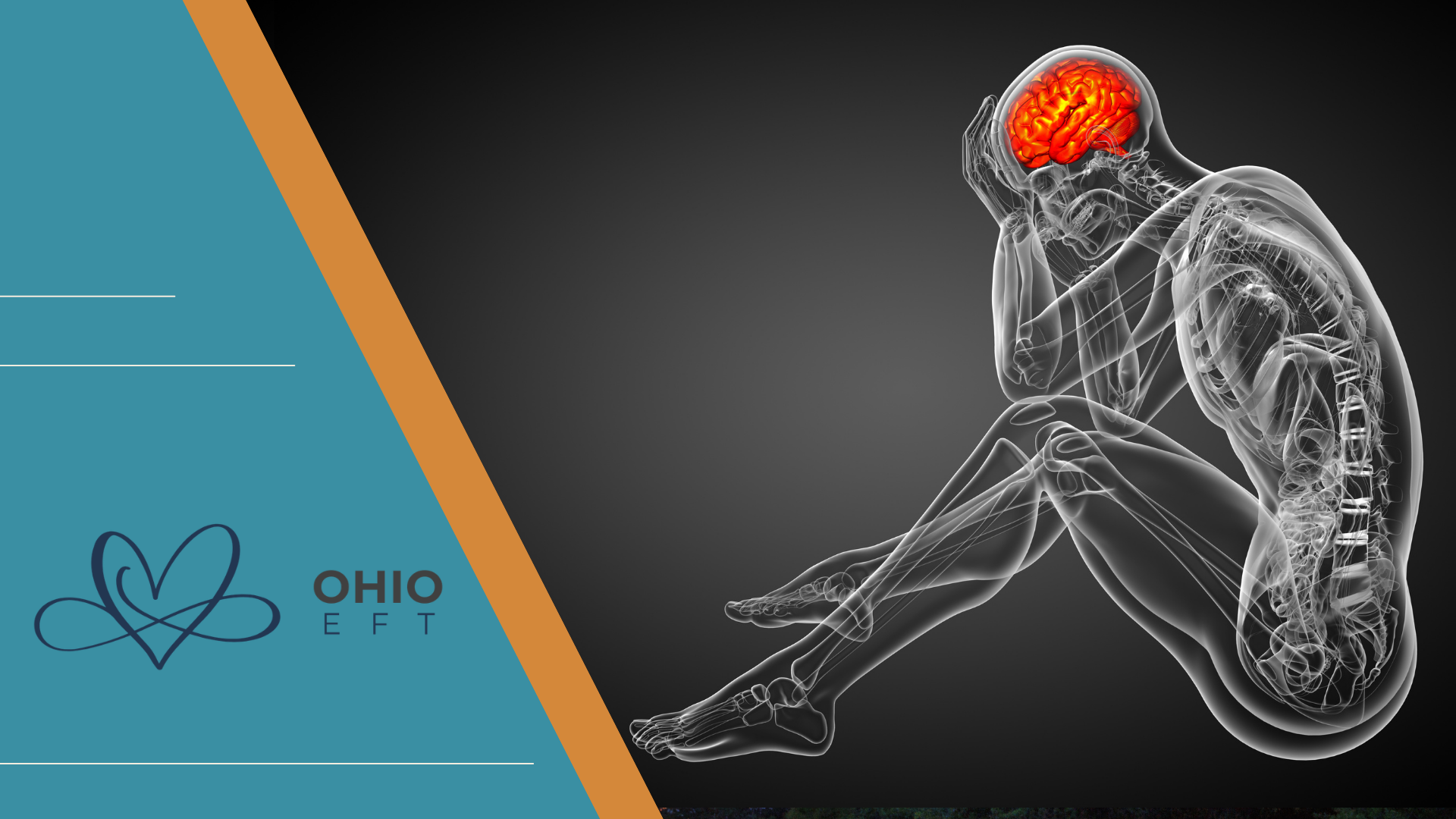
Whispering to an almond-shaped cluster of neurons hardly sounds like couples therapy. The amygdala's entire job is to scan for threats and sound the alarm. However, once that klaxon goes off, the part of the brain that handles reason, patience, and "I hear you" goes offline in a heartbeat. You've no doubt experienced this before. It happens before either partner has consciously decided anything.
Dr. Hawkins emphasized that once the amygdala's activated, it might take a half dozen times before the other person can actually hear what's being said to them.
Patience with a flooded nervous system doesn't mean sitting back and waiting it out. That framing led to the next great quote from Dr. Hawkins that day:
"You hold the reins of the horse, you got the horse. You drop the reins, you lose the horse."
The horse, in this picture, is the raw voltage of the survival brain. It's the limbic system, the amygdala, all of it running hot the instant a partner feels threatened. The reins are the therapist — tracking the pace, slowing the cadence, and reading the room.
When a couple escalates, both amygdalas start firing in a rhythm that feeds itself — each partner's nervous system reading the other's as a live threat. Someone has to be the external regulator in that moment, because neither partner can regulate for the other from inside the panic. That's the interventional hold: validating, reflecting, physically slowing the pace of the exchange down until the room can breathe again. Discussing that produced yet another great quote from Dr. Hawkins that afternoon: "The therapist has to be a thermostat, not a thermometer." A thermometer just reads how hot the room already is. A thermostat sets the temperature the room is going to become.
That's holding the reins.
Drop them, and it doesn't take long. Without that containment, a couple's arguing turns into a stream of facts, timelines, and who-said-what — pure content. The prefrontal cortex, the part of the brain that can actually stay in a conversation, has gone dark under the adrenaline.
If the therapist loses the reins entirely, the horse bolts straight into the negative cycle. That's what I took as the real gist of the reins line. It isn't really about controlling a session. It's about not letting a couple leave more neurologically unsafe than when they walked in.
It's really just another way of describing what made Dr. Sue the amygdala whisperer in the first place - not a gift for calm - but a refusal to let go of the reins.
Now on with this week's Ohio EFT Newsletter:
How To Deal With A Passive-Aggressive Partner, According To Therapists.
by Jenna Ryu on August 17th, 2026
Changing your response to their behavior can help you avoid getting stuck trying to guess what they’re thinking.
University of Michigan Drops First-Semester Grades to ‘Curb Mental Health Crisis’.
by Douglas Belkin on August 17th, 2026
A pilot program aims to ease pressure on freshmen and help them adjust to demands of college.
The AI Therapist: When People Turn to Chatbots for Mental Health.
by WSJ Podcast on August 17th, 2026
The millions of Americans living with mental illness—as well as people dealing with life’s everyday stresses—often struggle to see a therapist when they need one. That’s a big reason why many people have started turning to AI tools such as ChatGPT for emotional support. But as a number of high-profile lawsuits show, that can sometimes lead to devastating outcomes. Companies creating AI for mental health say they can do better. Listen to Part 1 of this new podcast series about artificial intelligence and therapy produced by The Wall Street Journal.
Identifying Abuse Dynamics In Individual And Couple Therapy: Clinical Detection, Ethical Decision-Making, and Attachment-Informed Intervention
by Dr. Katie Kjelsaas on August 17th, 2026
Emotional and psychological abuse often unfolds in ways that are subtle, complex, and easily overlooked in clinical settings. When therapists conceptualize relationship distress through an attachment or relational lens, it is important to thoroughly assess the complex dynamics of power, coercive control, fear, and safety so that abuse dynamics are not mistaken for mutual conflict. This advanced training helps therapists strengthen their differential assessment skills to accurately recognize abuse dynamics that may be obscured by presenting concerns such as conflict, disconnection, or distress, especially when clients have not explicitly disclosed harm.
Presented by: Australia based psychologists, Dr. Katie Kjelsaas, Certified EFT Supervisor & Krasi Kirova, IPV Expert
Dates: September 17–18, 2026
Time: 4:00 PM – 6:30 PM Eastern Time Zone (US/CAN) both days
Format: Live Online & Interactive + 30 day recording access of full training
CEs: 4.5 Continuing Education Credits for no extra fee
Click here for more information.
The Next Ohio EFT Virtual Call Is Friday, August 28th.
by Ohio EFT on August 17th, 2026
Join us at 9:00am on Friday, August 28th as we continue our discussion series about Emotionally Focused Therapy.
This month we'll be discussing "attachifying" - ways that EFT therapists use language to highlight the bond between a couple, deepen emotion and add relational context.
Hope you can make it!
Have We Turned Personality Into A Diagnosis?
by Nadja Spiegleman on August 17th, 2026
Why we keep searching for new ways to explain ourselves.
Searching For An EFT Supervisor?
by Ohio EFT on August 17th, 2026
Several attendees at our recent EFT Externship asked about the process of certification and how to connect with an EFT Supervisor. If you'd like to work with someone with Ohio roots, Allison Fagan, Carolyn Wenner & Rose Kormanyos are the supervisors to contact. However, EFT Supervision isn't limited to the state where you are licensed. It's more of a 'choose-your-own-adventure' scenario. There are 789 supervisors listed in the ICEEFT Supervisor Directory. If you are already an ICEEFT member, you can log in and see who might be the best fit.
Here's What Happens To Your Brain When You Stop Drinking Alcohol.
by Richard Sima on August 17th, 2026
Though even relatively low levels of drinking can cause harm, the brain can recover to an extent if you stop or cut back, evidence shows.
Dogs Can Tell When You’re Happy, Sad Or Frustrated, Study Shows.
by Kathleen Felton on August 17th, 2026
Researchers took brain scans mostly of border collies because they are highly skilled at following social cues and particularly willing to interact with humans.


