


Last week a couple sat on my couch doing the emotional equivalent of defusing a bomb by guessing which wire to cut. I'd been working with them for about a month, and we were at that Stage 1 moment where I was asking the husband to share what he was feeling underneath his frustration. He paused, looked at his wife, then back at me, and said with the confidence of a student who definitely didn't study for the exam: "I feel... seen?" His wife's face fell. Not because "seen" was wrong, exactly, but because it landed like a chatbot's response—technically correct vocabulary deployed in a way that screamed I Googled 'therapy emotions' in the parking lot. She looked at me and said, "That's not real. He's just saying what he thinks I want to hear." And she was absolutely right.
This is what I've started thinking of as performative vulnerability—when people perform emotions rather than access them. It's artificial emotional intelligence in the most literal sense: the relational equivalent of those customer service chatbots or mental health apps like Woebot that can detect and name emotions without actually feeling anything. The problem isn't that people are being deliberately dishonest. It's that many of us were never taught the vocabulary. We learned "mad, sad, glad" in kindergarten and called it a day. So when a therapist asks, "What are you feeling underneath the anger?" people reach for words they've heard in therapy podcasts or Instagram infographics. They offer up "vulnerable" —not because they're genuinely accessing that emotion, but because it sounds like something a person in therapy should say.
In EFT, we talk about primary versus secondary emotions. Secondary emotions—anger, frustration, criticism—are the guards at the gate, protecting the softer, more vulnerable primary emotions underneath. But knowing the words isn't the same as accessing the feelings. The work isn't getting people to say the right answers—it's helping them slow down enough to notice what's actually happening in their chest, their throat, their gut when their partner walks away or shuts down. Early in the process I usually offer clients a feelings wheel handout to expand their vocabulary beyond the basics. Not so they can perform better, but so they have language when something real bubbles up. There's a difference between reading the menu and actually tasting the food.
Both things can be true: it's progress that clients even know the language of emotions, and knowing the words isn't the destination. It's the difference between someone telling you they're sad and someone whose eyes well up as they realize, in real time, just how lonely they've been. One is artificial intelligence. The other is the real deal.
Now on with this week’s Ohio EFT Newsletter:
Science Shows Very Different Psychiatric Disorders Might Have The Same Cause.
by Mark Johnson on January 19th, 2026
A sweeping new study of psychiatric and genetic records has the potential to change treatment for millions of psychiatric patients.
Want To Have Better Sex This Year? Here’s How.
by Anna Martin on January 19th, 2026
After 15 years teaching a class about sex, the most popular course at the University of Washington, this professor shares her most important takeaways.
Try An ‘Airport Divorce’ If You Want To Stay A Happy Couple.
by Hannah Sampson on January 19th, 2026
Communication, respect — and sometimes a little space — are key
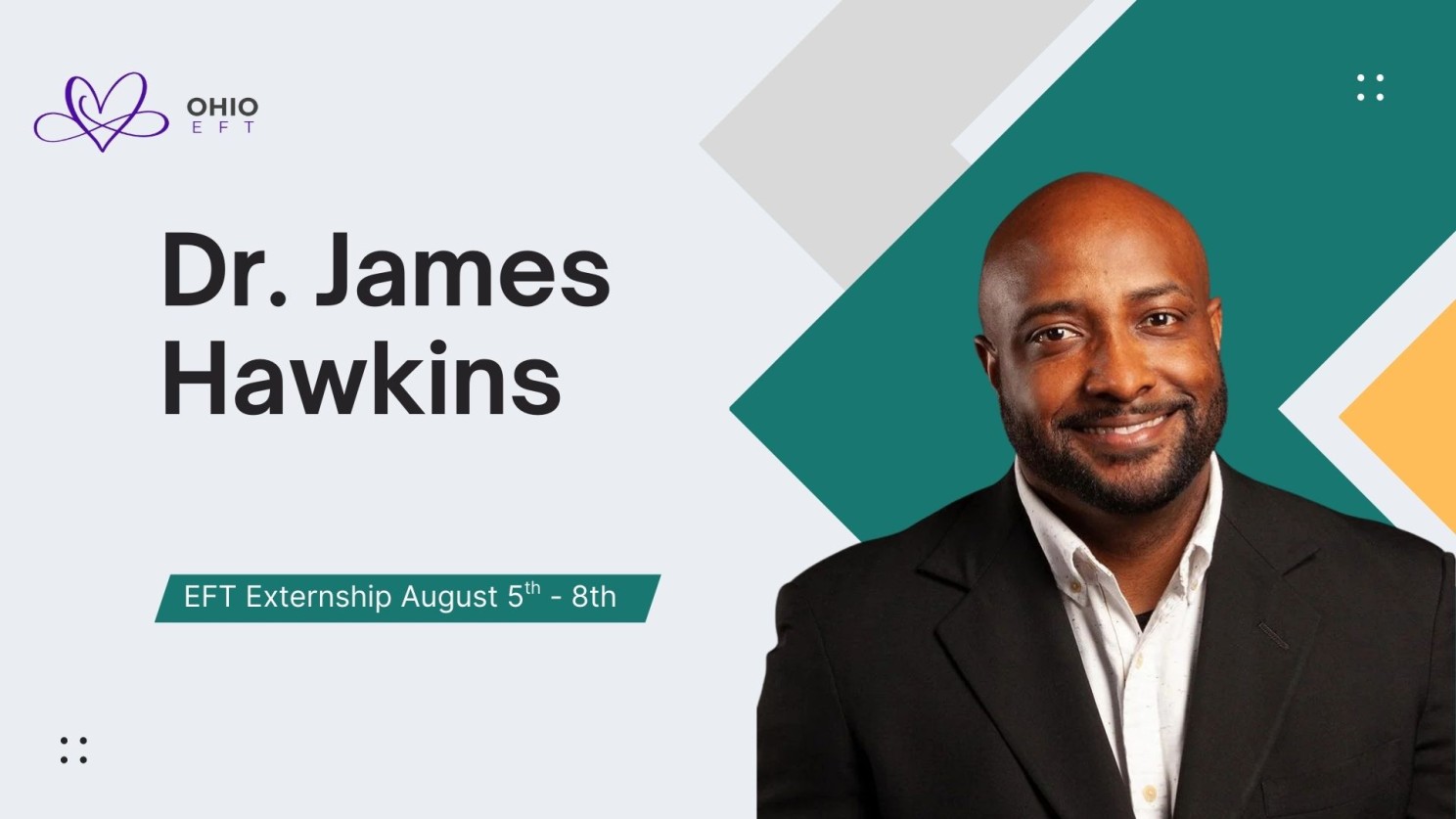
This Just In… Summer EFT Externship with Dr. James Hawkins in Ohio.
by Ohio EFT on January 19th, 2026
We’ve been working behind the scenes to secure an in-person EFT Externship in Ohio for 2026, and we’ve just secured the dates for Dr. James Hawkins to lead 4 days of intensive training in the Columbus area. Mark you calendars now for August 5th through the 8th for this immersive training experience. Keep an eye on this newsletter for more details.
The Tyranny of the ‘Hot Mom’.
by Emma Rosenblum on January 19th, 2026
Gone are the days of women racing out the door in sauce-stained shirts. Now mothers are expected to carry the entire mental load and look ageless too.
The Key to Caring for Aging Parents: Accept That You Can’t Fix Everything.
by Clare Ansberry on January 19th, 2026
Being a family caregiver can be frustrating and exhausting, but there are ways to stay well.
The Next Ohio EFT Virtual Call - Friday, January 30th.
by Ohio EFT on January 19th, 2026
Join us at 9:00am on Friday, January 30th as we explore EFT Step 4, where the couple reframes the problem and the real villain finally gets unmasked—it's not your partner, it's the cycle. We'll discuss how to help couples reframe their struggles in terms of attachment needs and protective patterns rather than personality flaws. Send me a direct message for a link to the call.
Hope to see you there!
Her Gilded Marriage Imploded. Now, She’s Ready to Tell All.
by Alexis Soloski on January 19th, 2026
Belle Burden shook off her natural reserve to turn her viral divorce essay into “Strangers,” a bracing memoir.
Do You Really Need Closure?
by Christina Caron on January 19th, 2026
And what exactly does it mean, anyway?


